
The Doctor, the Wife, and the Eggs: The Psychology of Secondary Gain
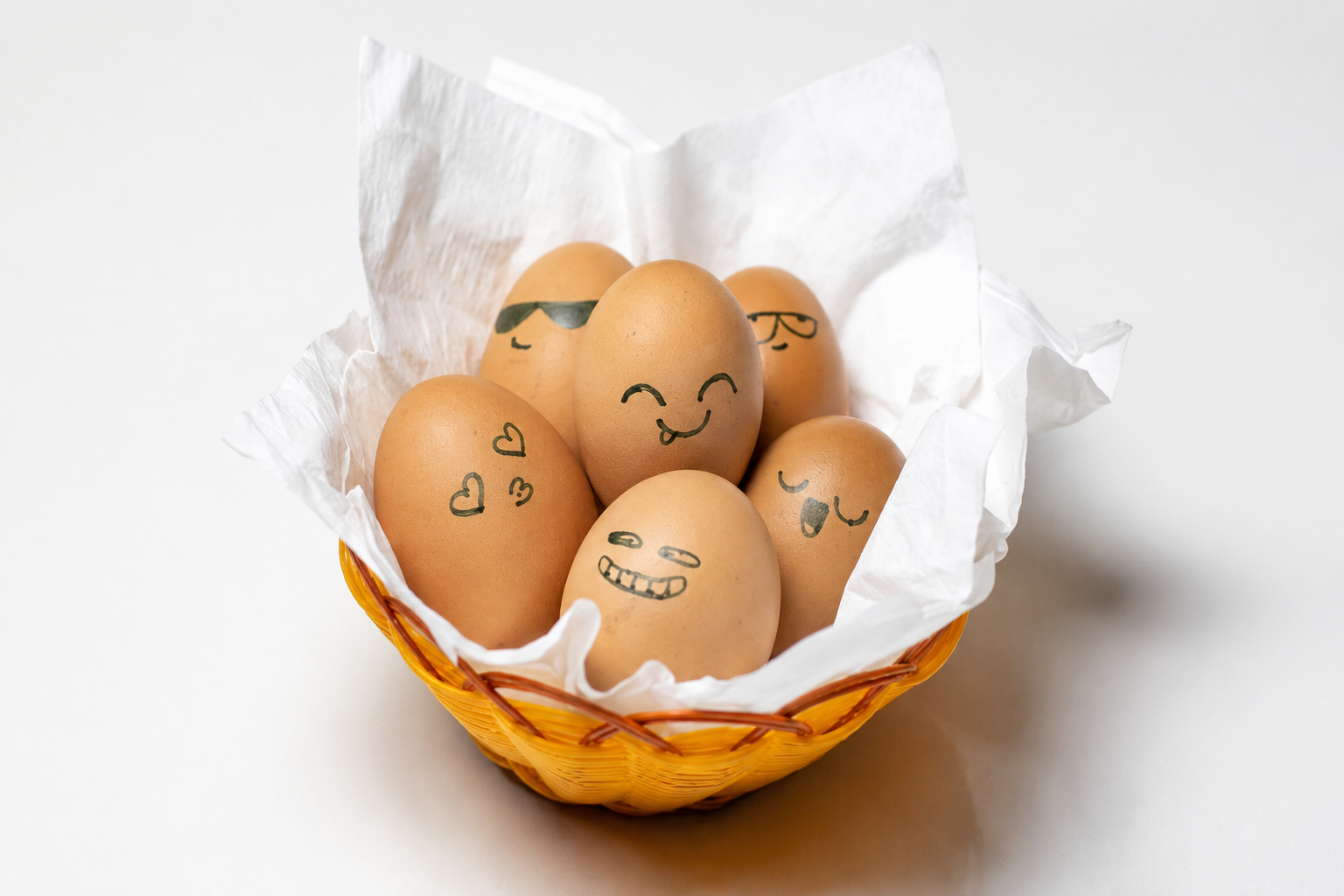
There is an old joke that never quite loses its sting. A man rushes to the doctor.
“Doctor, you’ve got to help me. My wife thinks she’s a chicken!”
“How long has she had this condition?” the doctor asks.
“Two years,” the man replies.
The doctor, incredulous, presses him. “Then why did it take you so long to come?”
The man shrugs. “We needed the eggs.”
Woody Allen used this joke to close Annie Hall. Psychologists have a duller name for what the man is describing. We call it secondary gain: the hidden payoff embedded in a problem that makes the problem worth keeping. The symptom becomes furniture. You stop noticing it because you are too busy living around it, and possibly collecting eggs.
This is a question I have been circling for years, since the paper “What is the advantage of integrating Dual Process Theories and Compassion Focused Therapy? Is the merger a suitable framework to gain insight on thinking performances in psychotherapy?” published in 2019. In that paper I examined an excerpt from the book The Road Less Traveled by Scott Peck. A soldier tells his therapist:
C: “There’s nothing else to do in the evenings in Okinawa except drink.”
T: “Do you like to read?”
C: “Oh yes, I like to read, sure.”
T: “Then why don’t you read in the evening instead of drinking?”
C: “It’s too noisy to read in the barracks.”
T: “Well, then, why don’t you go to the library?”
C: “The library is too far away.”
T: “Is the library farther away than the bar you go to?”
C: “Well, I’m not much of a reader. That’s not where my interests lie.”
Peck concludes that a client like this is “not amiable of assistance.” What interests me is not the resistance itself but its choreography! Each excuse collapses under the next question, and another one takes its place.
Many people live inside situations that are absurd, painful, or plainly unsustainable, and stay in them anyway. Why? Because they need the eggs! What are the eggs? They take different shapes. For some they are financial security. For others, companionship. For others, the predictability of routine, even when that routine is suffocating. People stay in arrangements they know are not right because those arrangements supply the one thing they believe they cannot live without.
None of this strikes me as pathological. It strikes me as ordinary. The cost of the eggs is not fixed, however. It rises quietly, the way a forgotten subscription rises. Chuckling ;-) Fatigue accumulates. A low hum of anxiety becomes background noise, then becomes the room tone of an entire life. At some point the arrangement costs more than it gives, and a truth that had been kept at a comfortable distance starts pulling up a chair.
The point is not that illusions are avoidable. They are not. Everyone is holding some basket of eggs, some more cracked than others. The more useful question, asked now and then, without too much drama, is simply whether we still need what we are holding, or whether we are finally ready to put the basket down and see what else there is to eat.
